Risk of Mouth Injury Airway Manipulation

Mouth Injury From Airway Manipulation

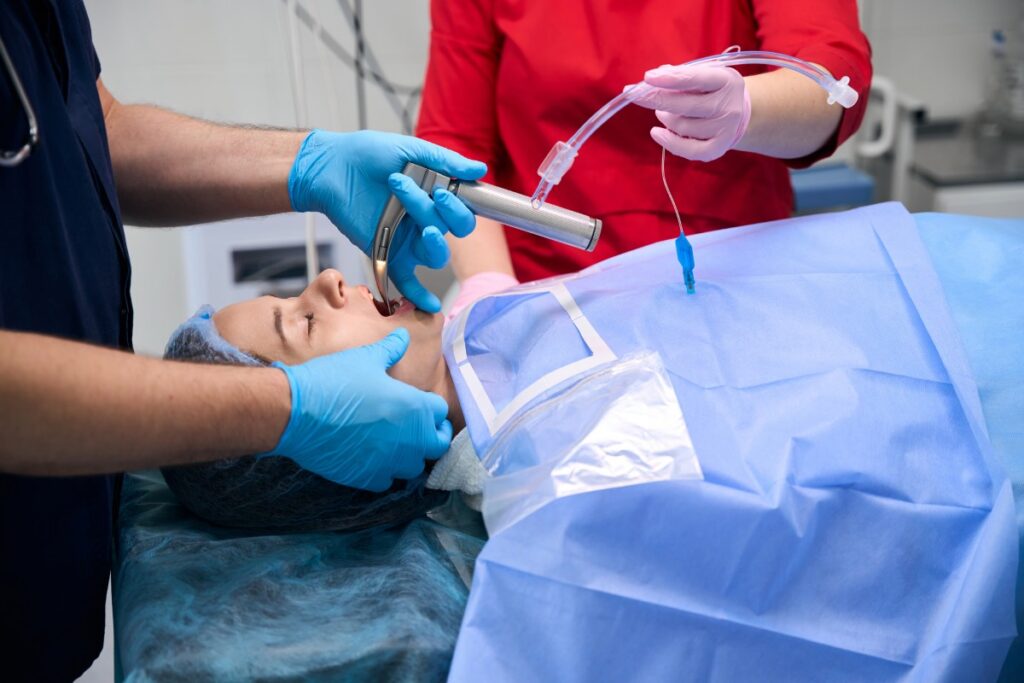
Although airway manipulation is an essential component of anesthesia and emergency medicine, it carries a recognized risk of injury to the mouth. Procedures such as endotracheal intubation, direct laryngoscopy, and the insertion of supraglottic airway devices can result in trauma to the teeth, lips, tongue, gums, and temporomandibular joint, especially in emergent settings in which speed can save

Importance of Sleep for Postoperative Recovery

Sleep for Postoperative Recovery

Sleep is an essential component of postoperative recovery. Sleep disturbance is a common postoperative complication that can interfere with recovery and contribute to additional complications. However, it may represent a modifiable risk factor that can be addressed to improve postoperative outcomes (Chouchou et al., 2020).  There are several reasons patients experience difficulty sleeping after surgery. The hospital

Impact of Remote Ischemic Preconditioning on Myocardial Injury in Noncardiac Surgery

Remote Ischemic Preconditioning on Myocardial Injury

Major noncardiac surgery is associated with a substantial risk of perioperative cardiovascular complications, which contribute significantly to postoperative morbidity and mortality. Globally, more than 300 million surgical procedures are performed annually, and surgical interventions account for a large proportion of hospitalizations worldwide (1). Patients undergoing noncardiac surgery with advanced age and cardiovascular comorbidities are at

Urological Effects of Ketamine

Urological effects of ketamine

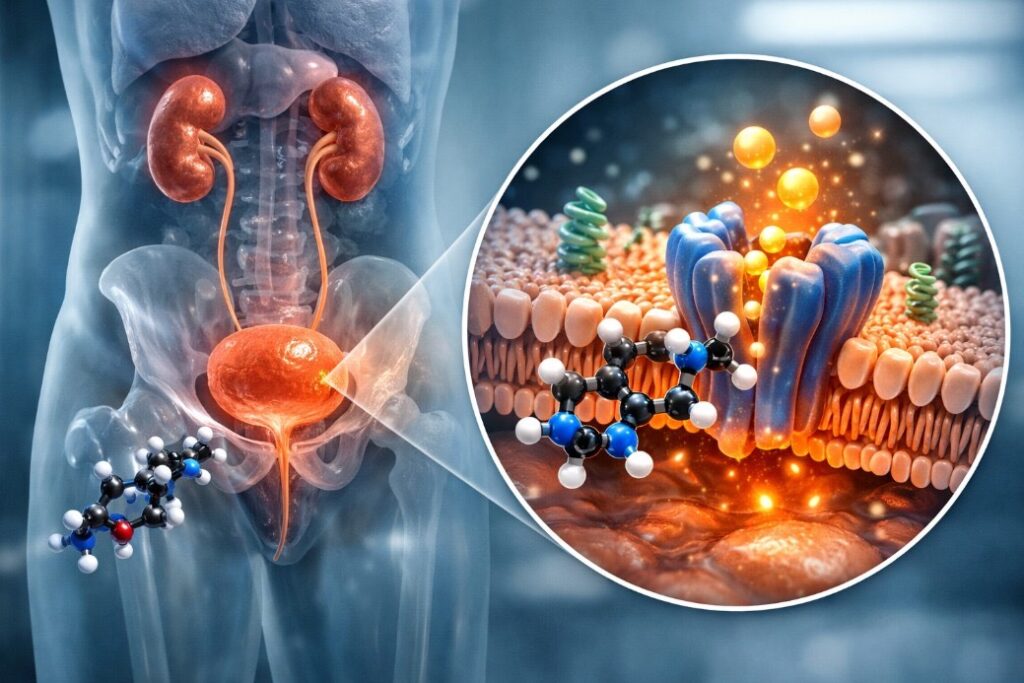
For decades, ketamine has been used as an anesthetic agent, but more recently, it has also been employed in carefully supervised treatments for treatment-resistant depression. However, outside medical settings, ketamine is sometimes misused as a recreational drug. Repeated or high-dose exposure can have serious urological effects—a problem now widely known as ketamine-associated uropathy or ketamine

Guidelines on Supplement Use Before and After Anesthesia

Supplement use before and after anesthesia

The widespread use of herbal and dietary supplements poses ongoing challenges in perioperative medicine. Surveys suggest that up to half of surgical patients use these products, yet fewer than 40% disclose this information to their healthcare providers. This puts patients at risk for avoidable complications under anesthesia. Though marketed as “natural,” these supplements can influence

Risk Factors for Anesthesia According to Level of Obesity

Anesthesia Risk in Obese Patients

Obesity poses significant challenges to anesthesia management and increases the risk of complications. On average, as body mass index (BMI) increases, so does the likelihood of complications involving the airway, the respiratory system, cardiovascular stability, and anesthetic pharmacology. Understanding how these risk factors vary across different levels of obesity enables anesthesia providers to implement appropriate

Superficial vs. Deep Nerve Block and Anti-Coagulants

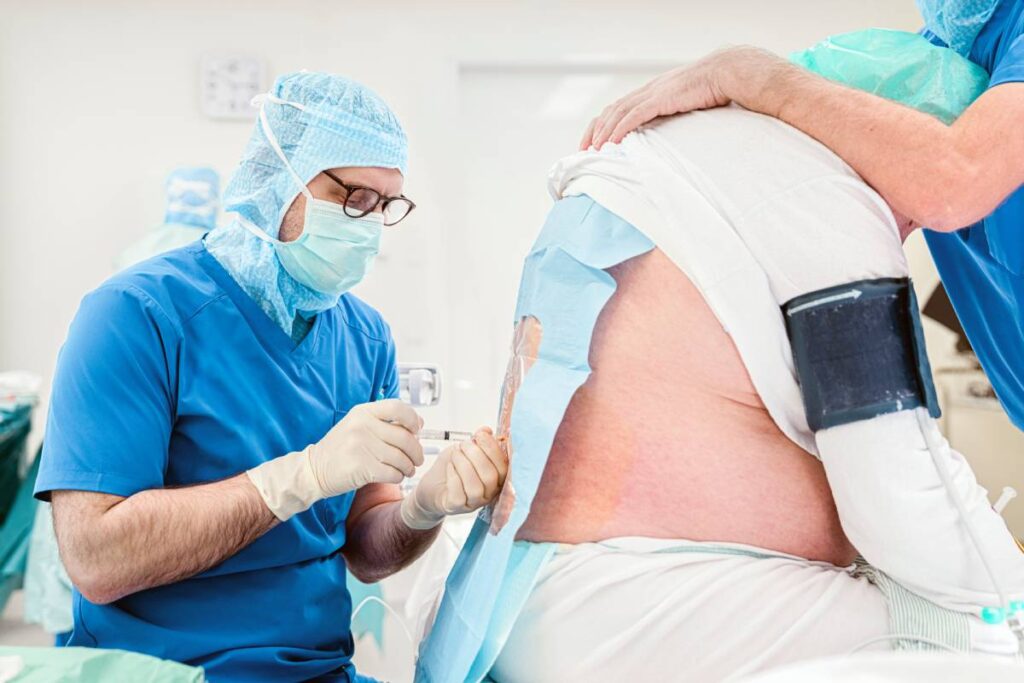
Peripheral nerve blocks (PNBs) are regional anesthetic techniques in which local anesthetics are injected near specific peripheral nerves to selectively block sensory and/or motor transmission within a defined anatomical region. In clinical practice, PNBs may be used as the primary anesthetic method for surgeries involving the upper or lower extremities, such as shoulder, arm, forearm,

What Makes an Analgesic Long- or Short-Acting?

The classification of analgesics as long- or short-acting reflects differences in formulation design and drug behavior within the body. Short-acting opioids, such as immediate-release morphine, oxycodone, and hydrocodone, are typically used for acute or breakthrough pain. They require dosing every few hours due to their rapid absorption and clearance. In contrast, long-acting formulations are designed

Post-Anesthesia Care Unit (PACU) Care for Patients with Insulin Pumps

PACU insulin pumps

Patients using continuous subcutaneous insulin infusion, including hybrid closed-loop pump systems with continuous glucose monitoring, are increasingly encountered in the post-anesthesia care unit (PACU). Safe care requires early verification of device function, regular blood glucose checks, and clear criteria for whether to continue the pump or transition to insulin administered intravenously or subcutaneously. On admission

Physostigmine in Perioperative Care

Physostigmine in Perioperative Care

Physostigmine is a drug that inhibits the action of cholinesterase, which breaks down acetylcholine, a neurotransmitter that plays an important role in muscle movement and the function of brain neurons. It is useful across a range of conditions in which a deficiency of acetylcholine is present or in which it is useful to promote an