Delay in Having Children among Physicians

Medical training to become a physician is a lengthy and time-consuming process. After graduating college, medical school applicants often take 1-2 gap years to strengthen their application. After attending a four-year medical school program, trainees must complete residency in their desired specialty, which can range from 3-7 years of more training. After residency, trainees can

COVID-19 Booster Dose in Organ Transplant Recipients

Immunocompromised patients, such as organ transplant recipients, are at a particular risk of experiencing severe symptoms from COVID-19. These patients have reduced resistance to infection, can become infected with fewer infectious particles and less aggressive strains, experience more rapid progression of infections, and have higher mortality rates (1,2). To date, the standard two-dose COVID-19 vaccination

Postoperative Drug-Induced Movement Disorder

Chronic dystonic movements postoperatively are very rare, especially in a patient without a prior diagnosis of a movement disorder [1,2]. However, experiencing a transient movement disorder in the postoperative period that is associated with induction and emergence of anesthesia is relatively common [2]. Dystonic movements following surgery must be addressed quickly to navigate the differential

Post-Immunization Myocarditis: A Rare Complication

Since British physician Edward Jenner pioneered vaccines in the West in 1796, vaccines have revolutionized health care, substantially increasing human health and longevity in the face of infectious diseases spanning smallpox to COVID-19. A record several months following the first release by Chinese researchers of the COVID-19 virus genetic sequence in January 2020, labs had

Safety of Anesthesia Exposure in Children

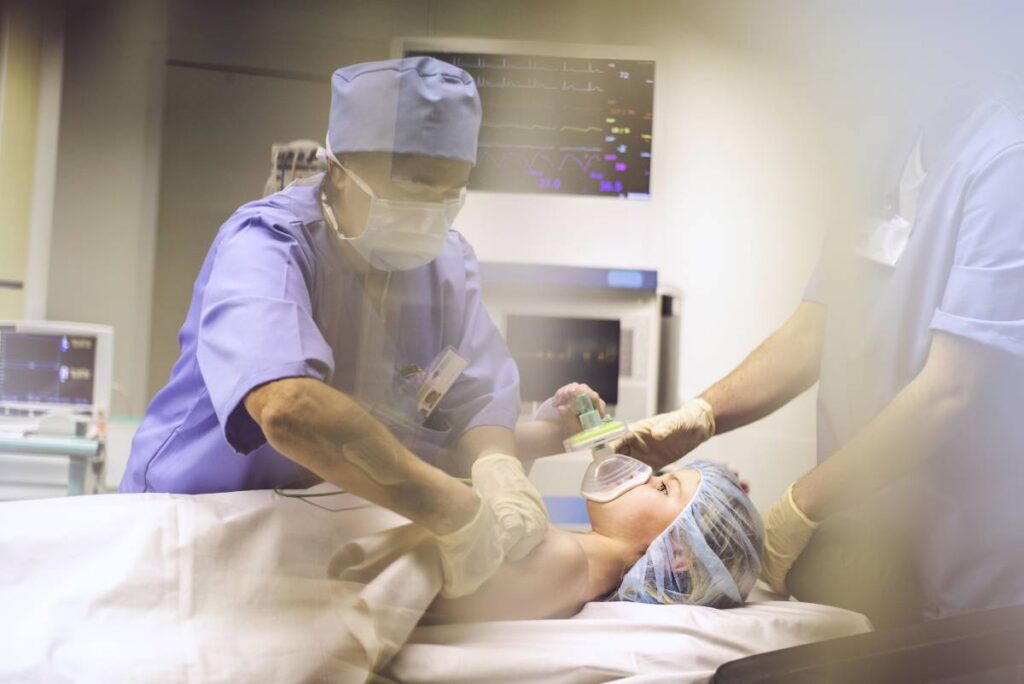
Risks associated with anesthesia have declined dramatically over the past decades. Mortality rates, which were once as high as 1 in 2,500, now stand at about 1 in 13,000. Young children and infants, however, are more vulnerable to adverse events due to the nature of their physiology. One study, the 2014-2015 Anesthesia Practice in Children

Surgical Site Infection in Spine Surgery

Infection of the surgical site following spine surgery is a dangerous post-operative complication that can result in prolonged recovery time, poor wound healing, the need for further treatment, as well as more serious consequences like sepsis, organ failure, and even death.1 Even though incision sites are kept sterile throughout the procedure, infections are relatively common:

Telemedicine: Barriers and Pitfalls

Prior to the COVID-19 pandemic, telemedicine accounted for a mere one percent of overall physician-patient interactions. Now, at its peak, the Harvard Business Review reports that virtual consultations make up 50-80 percent of appointments. Telemedicine has been hugely beneficial for a multitude of reasons: it has made scheduling easier, increased overall convenience for patients, and

Current Research on COVID-19 “Long-Haulers” 

The World Health Organization has recorded over 100 million confirmed COVID-19 cases and around 2.5 million deaths, in a pandemic that has devastated communities worldwide (World Health Organization). In addition to the characteristics that make COVID-19 a deadly acute disease, increasing evidence points to a long-term syndrome that afflicts certain patients. The ‘long-hauler’ phenomenon first