
Major noncardiac surgery is associated with a substantial risk of perioperative cardiovascular complications, which contribute significantly to postoperative morbidity and mortality. Globally, more than 300 million surgical procedures are performed annually, and surgical interventions account for a large proportion of hospitalizations worldwide (1). Patients undergoing noncardiac surgery with advanced age and cardiovascular comorbidities are at higher risk of experiencing perioperative ischemic events. Even small elevations in cardiac biomarkers such as troponin are associated with increased short- and long-term mortality after surgery. Remote ischemic preconditioning has been proposed as a noninvasive strategy to protect the myocardium from ischemia–reperfusion injury in noncardiac surgery.
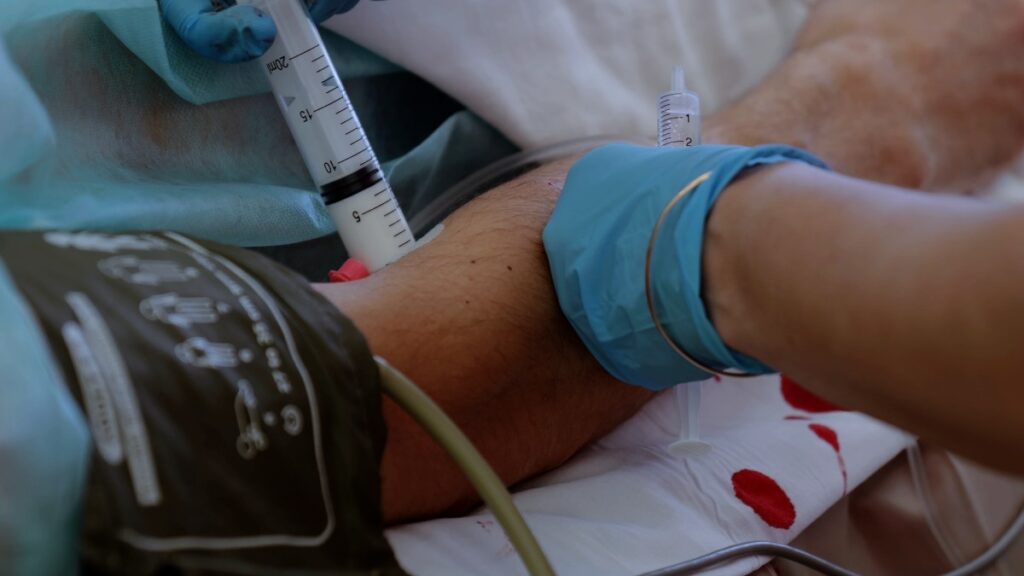
Remote ischemic preconditioning involves brief cycles of ischemia in a limb (the “remote” site) followed by reperfusion, typically induced using a blood pressure cuff inflated above systolic pressure (2). These transient ischemic episodes are believed to activate systemic protective mechanisms through neural and humoral signaling pathways, increasing the tolerance of distant organs, including the heart, to ischemic stress. Experimental and early clinical studies have suggested that remote ischemic preconditioning may activate cardioprotective signaling pathways, reduce oxidative stress, and improve myocardial perfusion during ischemic events (2).
Small randomized trials have demonstrated reductions in perioperative cardiac biomarker release and improvements in postoperative outcomes (3). Meta-analyses incorporating numerous small trials have also suggested that remote ischemic preconditioning in noncardiac surgery might reduce postoperative cardiovascular events and mortality in surgical populations. However, many of these studies were limited by small sample sizes, single-center designs, and heterogeneity in protocols, raising concerns about the reliability of their conclusions.
To address these limitations, the PRINCE (Remote Ischemic Preconditioning in Noncardiac Surgery) randomized clinical trial evaluated the effectiveness of this strategy in a large multinational cohort of patients undergoing intermediate- or high-risk noncardiac surgery. This double-blind trial enrolled 1,213 patients across 25 hospitals in eight countries and randomized participants to receive remote ischemic preconditioning or a sham intervention after induction of general anesthesia. The treatment protocol consisted of three cycles of 5-minute limb ischemia induced by inflating a blood pressure cuff to 200 mmHg, followed by 5 minutes of reperfusion. The primary outcome was postoperative myocardial injury defined by elevation of cardiac troponin above the 99th percentile of reference values (1).
The results of the PRINCE trial demonstrate that remote ischemic preconditioning does not significantly reduce postoperative myocardial injury compared with the sham intervention. Myocardial injury occurred in 38.0% of patients in the treatment group and 37.4% in the control group, indicating no meaningful difference between the two treatments. Additionally, there were no significant differences in secondary outcomes including myocardial infarction, stroke, acute kidney injury, intensive care unit admission, length of hospital stay, or 30-day mortality (1).
These findings contrast with earlier smaller studies suggesting cardioprotective effects and emphasize the importance of large multicenter trials in evaluating perioperative interventions (3).
The findings of the PRINCE trial also highlight the clinical significance of myocardial injury after noncardiac surgery. Elevated postoperative troponin levels are strongly associated with increased postoperative complications and long-term mortality, even when patients do not meet criteria for myocardial infarction (4). Consequently, perioperative troponin monitoring has increasingly been recommended for high-risk surgical patients to detect myocardial injury and guide postoperative management.
In conclusion, although remote ischemic preconditioning initially appeared to be a promising cardioprotective intervention, current evidence indicates that it does not significantly reduce myocardial injury or improve clinical outcomes in patients undergoing noncardiac surgery. Further research is needed to identify effective strategies for reducing perioperative myocardial injury and improving cardiovascular outcomes in surgical populations.
References
1. Greco M, Lombardi G, Brusasco C, et al. Effect of Remote Ischemic Preconditioning on Myocardial Injury in Noncardiac Surgery: The PRINCE Randomized Clinical Trial. Circulation. 2025;152(17):1194-1205. doi:10.1161/CIRCULATIONAHA.125.075254
2. Kharbanda RK, Mortensen UM, White PA, et al. Transient limb ischemia induces remote ischemic preconditioning in vivo. Circulation. 2002;106(23):2881-2883. doi:10.1161/01.cir.0000043806.51912.9b
Ekeloef S, Homilius M, Stilling M, et al. The effect of remote ischaemic preconditioning on myocardial injury in emergency hip fracture surgery (PIXIE trial): phase II randomised clinical trial. BMJ. 2019;367:l6395. Published 2019 Dec 4. doi:10.1136/bmj.l6395
3. Wahlstrøm KL, Bjerrum E, Gögenur I, Burcharth J, Ekeloef S. Effect of remote ischaemic preconditioning on mortality and morbidity after non-cardiac surgery: meta-analysis. BJS Open. 2021;5(2):zraa026. doi:10.1093/bjsopen/zraa026
4. Writing Committee for the VISION Study Investigators, Devereaux PJ, Biccard BM, et al. Association of Postoperative High-Sensitivity Troponin Levels With Myocardial Injury and 30-Day Mortality Among Patients Undergoing Noncardiac Surgery. JAMA. 2017;317(16):1642-1651. doi:10.1001/jama.2017.4360