Post-Anesthesia Care Unit (PACU) Care for Patients with Insulin Pumps

PACU insulin pumps

Patients using continuous subcutaneous insulin infusion, including hybrid closed-loop pump systems with continuous glucose monitoring, are increasingly encountered in the post-anesthesia care unit (PACU). Safe care requires early verification of device function, regular blood glucose checks, and clear criteria for whether to continue the pump or transition to insulin administered intravenously or subcutaneously. On admission

Physostigmine in Perioperative Care

Physostigmine in Perioperative Care

Physostigmine is a drug that inhibits the action of cholinesterase, which breaks down acetylcholine, a neurotransmitter that plays an important role in muscle movement and the function of brain neurons. It is useful across a range of conditions in which a deficiency of acetylcholine is present or in which it is useful to promote an

Anesthesia for Patients with Claustrophobia

Anesthesia for Patients with Claustrophobia

Claustrophobia, the intense fear of confined or enclosed spaces, can pose unique challenges in medical environments, where patients may need to be in diagnostic or procedural settings that trigger their claustrophobia. Whether for an MRI scan, surgery, or dental work, patients with claustrophobia may experience heightened anxiety, panic attacks, or outright refusal of treatment. For

Impact of Anesthesia Drugs on Digestive Motility

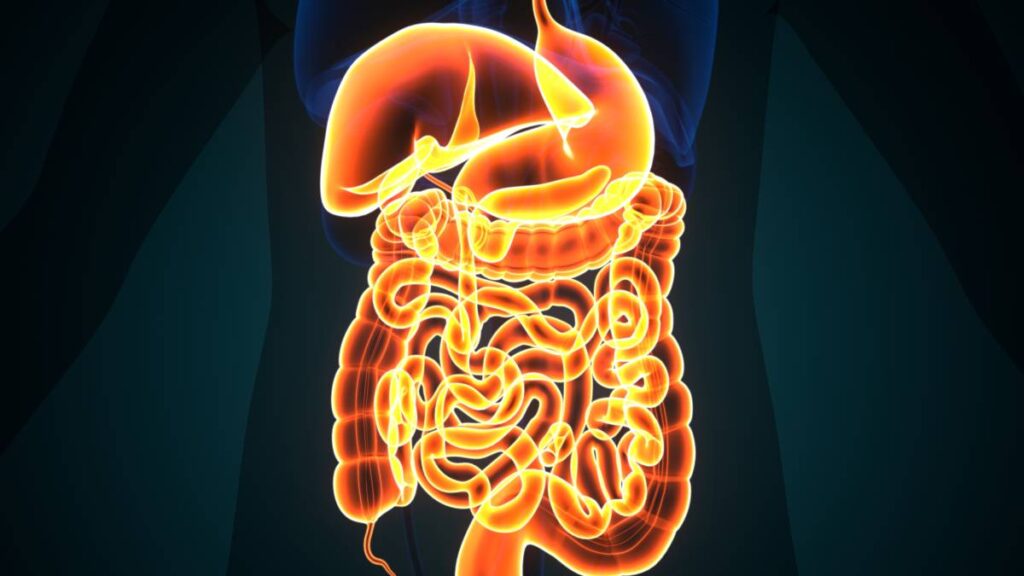
Motility describes the spontaneous movement of cells or organs through metabolic activity, such as the contractions of the gastrointestinal (GI) tract. It is important to understand how anesthesia, a key component of smooth surgical operation, affects digestive motility. These analyses can help prevent intraoperative and postoperative complications, such as increased surgical time, bowel distension, or

AI in Health Insurance

Artificial intelligence (AI) is revolutionizing various industries, including healthcare. AI has the potential to be applied to many areas of healthcare, ranging from diagnostics to health administration. Health insurance companies, in particular, are racing to leverage AI technologies to improve operational efficiency, reduce costs, and deliver more personalized services. AI is reshaping key areas such

Antibiotics Used in the OR

In the operating room (OR), the use of antibiotics is an essential practice aimed at preventing infections, which can lead to serious complications in surgical patients. Antibiotics are administered either prophylactically to prevent infection or therapeutically to treat existing infection. Understanding which antibiotics are commonly used in the OR, how they work, and their appropriate

Clinical Management of Local Anesthesia Systemic Toxicity (LAST)

Local Anesthetic Systemic Toxicity (LAST) is a rare but potentially life-threatening complication that can occur following the administration of local anesthetics. It occurs when local anesthetics reach supratherapeutic levels in systemic circulation, leading to adverse effects on the central nervous and cardiovascular systems. Clinical management of LAST relies on its rapid identification and a subsequent

Pain Reporting and Analgesic Management

Recognition of pain in the post-operative period – whether due to patients reporting their pain or clinical appraisal of pain – is imperative for adequate analgesic management. As anesthesia used during the procedure wears off, maintaining an appropriate level of pain relief is essential for patient outcomes and recovery. Common tools for pain reporting in

Anesthetics with Both Oral and IV Forms

Anesthetic agents come in various forms, including oral and intravenous (IV), and have different chemical compositions to suit different clinical situations and patient needs. Anesthetics with both oral and IV forms provide versatility, allowing healthcare providers to tailor sedation and analgesia depending on factors such as the procedure type, patient health, and the desired onset

Anesthesia and Tracheal Stenosis

The anesthetic management of patients with tracheal stenosis presents a number of significant challenges, including the potential for airway obstruction, difficulty in ventilation, and an increased risk of perioperative complications. Tracheal stenosis, defined as a narrowing of the tracheal lumen, can result from a variety of different etiologies, including prolonged intubation, trauma, infections, and inflammatory